
"land redistribution"
500 article(s) found
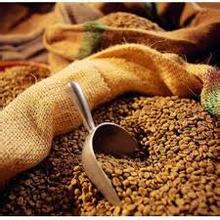
World Coffee boutique Manor beans: Guadeloupe Guadeloupe, an overseas province of France
Good coffee production has been affected by natural disasters this group of islands in the Caribbean used to be an important producer of coffee. In 1789, more than 1 million coffee trees on 500 hectares of land produced 4000 tons, but today, only 150 hectares of land is used to grow coffee. This decline can be attributed to the increase in sugar cane and banana production and Hurricane Hurricane In in 1996.
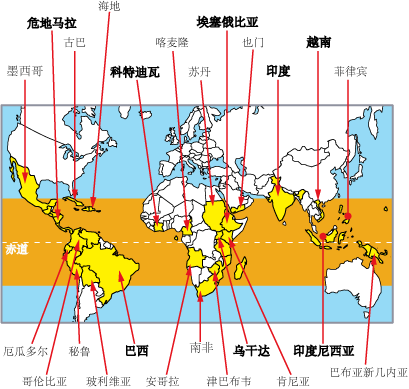
Coffee producing area worldwide 53 coffee producing area Guadeloupe Guadeloupe
Guadeloupe's good coffee production has been affected by natural disasters. The Caribbean islands used to be important producers of coffee. In 1789, more than 1 million coffee trees on 500 hectares of land produced 4000 tons, but today, only 150 hectares of land is used to grow coffee. This decline can be attributed to the increase in sugar cane and banana production and Hurricane Hu in 1996.
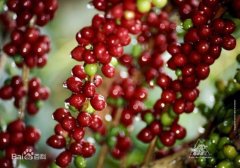
These Caribbean islands of Guadeloupe used to be an important producer of coffee.
Good coffee production has been affected by natural disasters this group of islands in the Caribbean used to be an important producer of coffee. In 1789, more than 1 million coffee trees on 500 hectares of land produced 4000 tons. Today, only 150 hectares of land is used to grow coffee. This decline can be attributed to the increase in sugar cane and banana production and Hurricane HurricaneInes in 1996.
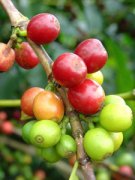
Coffee cultivation is an important coffee growing area in the Caribbean.
Good coffee production has been affected by natural disasters this group of islands in the Caribbean used to be an important producer of coffee. In 1789, more than 1 million coffee trees on 500 hectares of land produced 4000 tons. Today, only 150 hectares of land is used to grow coffee. This decline can be attributed to the increase in sugar cane and banana production and Hurricane HurricaneInes in 1996.

Guadeloupe Coffee disappears Bonifield Coffee Origin
Professional baristas Please follow the Coffee Workshop (Wechat official account cafe_style) good coffee production in Guadeloupe has been affected by natural disasters these islands in the Caribbean used to be important coffee producers. In 1789, more than 1 million coffee trees on 500 hectares of land produced 4000 tons. Today, only 150 hectares of land is used to grow coffee. The origin of this decline

Fragrant and delicious Nicaraguan Coffee Fine Coffee Bean Manor Variety description
High-quality Nicaraguan coffee, grown in the north and middle of the country. Coffee is a pillar industry in Nicaragua, producing nearly 100,000 tons of coffee beans every year. Many people who have tasted Nicaraguan coffee usually think that it is no different from Salvadoran coffee or Honduran coffee. It is full-bodied, smooth and delicate, with a slightly bitter finish, like a faint taste in a wine. In

Fragrant and delicious Happy Manor Coffee Flavor and Taste introduce the characteristics of boutique coffee in the producing area
Nicaragua is located in central Central America, bordering the Pacific Ocean on the west and the sea on the east. The highlands in the north and the coastal plains in the east are part of the Central American volcanic belt. The eastern plain is high-temperature and rainy, with a tropical maritime climate. The suitable climate provides an excellent growth environment for the cultivation of coffee. High-quality Nicaraguan coffee, grown in the north and middle of the country. Coffee

Introduction to the grinding scale of the variety characteristics of the method for describing the flavor of Nicaraguan boutique coffee
Nicaraguan Coffee introduces that Nicaragua is one of the major gold-producing countries in Latin America. It has been proved to have 106 gold veins, with an annual output of 70,000 ounces, ranking 13th in the world. Other minerals include silver, antimony, zinc, copper, lead and so on. Rich in geothermal resources. There are two oil deposits. Forests account for 43% of the country's area, exporting pine and mahogany. Fish, shrimp and other aquatic products are rich in Managua, the capital of Nicaragua.
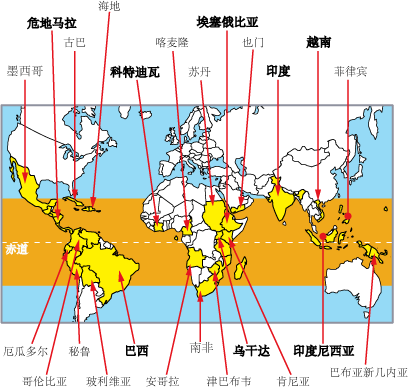
Which coffee beans are recommended by China Coffee Network? This group of islands in the Caribbean, Guadelopponi.
Guadeloupe's good coffee production has been affected by natural disasters. The Caribbean islands used to be important producers of coffee. In 1789, more than 1 million coffee trees on 500 hectares of land produced 4000 tons. Today, only 150 hectares of land is used to grow coffee. This decline can be attributed to the increase in sugar cane and banana production and Hurricane Hurrica in 1996.

Introduction to the characteristics of coffee flavor and taste varieties in Nicaraguan Heavenly Manor with moderate particle size
Columbus arrived here in 1502 and reached the east coast of Nicaragua. In 1522, Spanish colonists began to conquer the region. The cities of Granada and Leon were founded in 1524. From then on, Nicaragua became a Spanish colony and came under the jurisdiction of the Governor's Office of Guatemala. The city of Leon developed into a political and cultural center; Granada became a commercial and agricultural center. In the later period of colonial rule
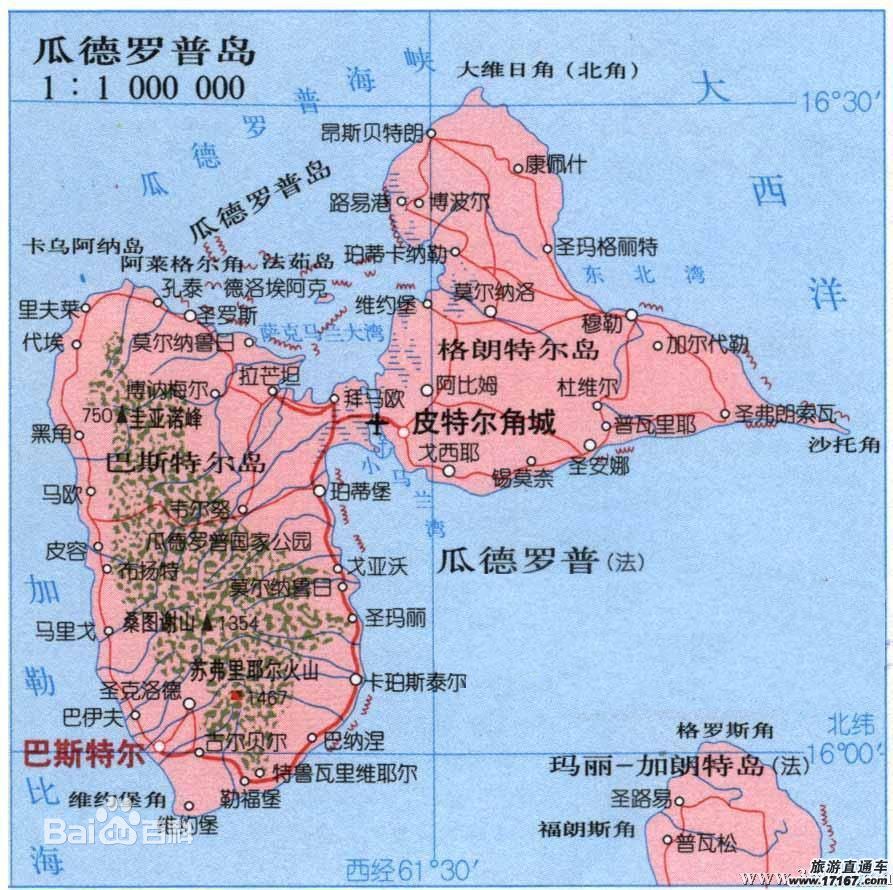
A brief introduction to the Flavor of Fine Coffee beans in French Guadeloupe Island in Africa
Good coffee production has been affected by natural disasters this group of islands in the Caribbean used to be an important producer of coffee. In 1789, more than 1 million coffee trees on 500 hectares of land produced 4000 tons. Today, only 150 hectares of land is used to grow coffee. This decline can be attributed to the increase in sugar cane and banana production and Hurricane Hurricane Ines in 1996.

Introduction to the method of describing the taste and flavor of Nicaraguan coffee varieties
Nicaragua is located in central Central America, bordered by the Pacific Ocean to the west and the Caribbean Sea to the east. The highlands in the north and the coastal plains in the east are part of the Central American volcanic belt. The eastern plain is high-temperature and rainy, with a tropical maritime climate. The suitable climate provides an excellent growth environment for the cultivation of coffee. High-quality Nicaraguan coffee, grown in the north and middle of the country. Coffee is Ni.

Introduction to boutique coffee with rich aroma and taste characteristics of coffee in Joy Manor, Nicaragua.
Nicaragua is one of the major gold-producing countries in Latin America. It has been proved to have 106 gold veins, with an annual output of 70,000 ounces, ranking 13th in the world. Other minerals include silver, antimony, zinc, copper, lead and so on. Rich in geothermal resources. There are two oil deposits. Forests account for 43% of the country's area, exporting pine and mahogany. Fish and shrimp are rich in aquatic products. [1] Administrative division editors divide the whole country of Nicaragua

Introduction to the characteristics of Coffee Flavor varieties in Limon Manor in Nicaragua
Nicaragua is one of the major coffee-producing countries, producing high-quality coffee. Even coffee from the Antigua Mountains of Guatemala, which is famous in Asia, imports raw beans from Nicaragua. Although Nicaraguan coffee is not famous in Asia, Nicaragua coffee is already famous all over the world (Starbucks has many cooperative coffee farmers in Nepal), while several coffee-producing countries in Central America

Introduction to the characteristics of Nicaraguan Coffee Flavor Manor with different levels of Taste
Columbus arrived here in 1502 and reached the east coast of Nicaragua. In 1522, Spanish colonists began to conquer the region. The cities of Granada and Leon were founded in 1524. From then on, Nicaragua became a Spanish colony and came under the jurisdiction of the Governor's Office of Guatemala. The city of Leon developed into a political and cultural center; Granada became a commercial and agricultural center. In the later period of colonial rule

Nicaraguan Coffee Los Congo Manor in Central America
Beautiful sour taste, moderate mellow Nicaraguan coffee belongs to the Central and South American style coffee, although the acidity is not very high, but it feels refreshing. The mellow degree is also not high, but the overall feeling is just right, neither thin nor too strong. To make it easier to accept. The taste of red wine can be vaguely felt in the shallow sour taste, which is also a major feature of Nicaraguan coffee.

A brief introduction to the planting Market Price of Maraka Dula Fine Coffee Bean in Nicaragua with moderate acidity
Drink coffee while it is hot, because the tannins in Nicaraguan coffee are easy to change during cooling, and the taste becomes sour, which will affect the flavor of the coffee. You can add the right amount of sugar, and then add cream. Enjoying a cup of high-quality Nicaraguan coffee can not only experience the taste of coffee at different levels, but also help to improve the ability to appreciate coffee.

Used to be an important coffee producer Guadeloupe
Good coffee production affected by natural disasters This group of islands in the Caribbean used to be an important source of coffee. In 1789, more than 1 million coffee trees on 500 hectares produced 4000 tons, while today only 150 hectares are used for coffee cultivation. This decline can be attributed to increased sugar cane and banana production and Hurricane Ines in 1996.
Guadeloupe used to be the best coffee producer and used to be a coffee mecca.
Good coffee production has been affected by natural disasters this group of islands in the Caribbean used to be an important producer of coffee. In 1789, more than 1 million coffee trees on 500 hectares of land produced 4000 tons. Today, only 150 hectares of land is used to grow coffee. This decline can be attributed to the increase in sugar cane and banana production and Hurricane HurricaneInes in 1996.
Guadeloupe Coffee Good coffee production affected by natural disasters
Good coffee production is affected by natural disasters This group of islands in the Caribbean used to be an important source of coffee. In 1789, more than 1 million coffee trees on 500 hectares produced 4000 tons, while today only 150 hectares are used for coffee cultivation. This decline can be attributed to increased sugar cane and banana production and Hurricane Ines in 1996.